How to Choose the Right Display Cabinet for Your Home in Malaysia
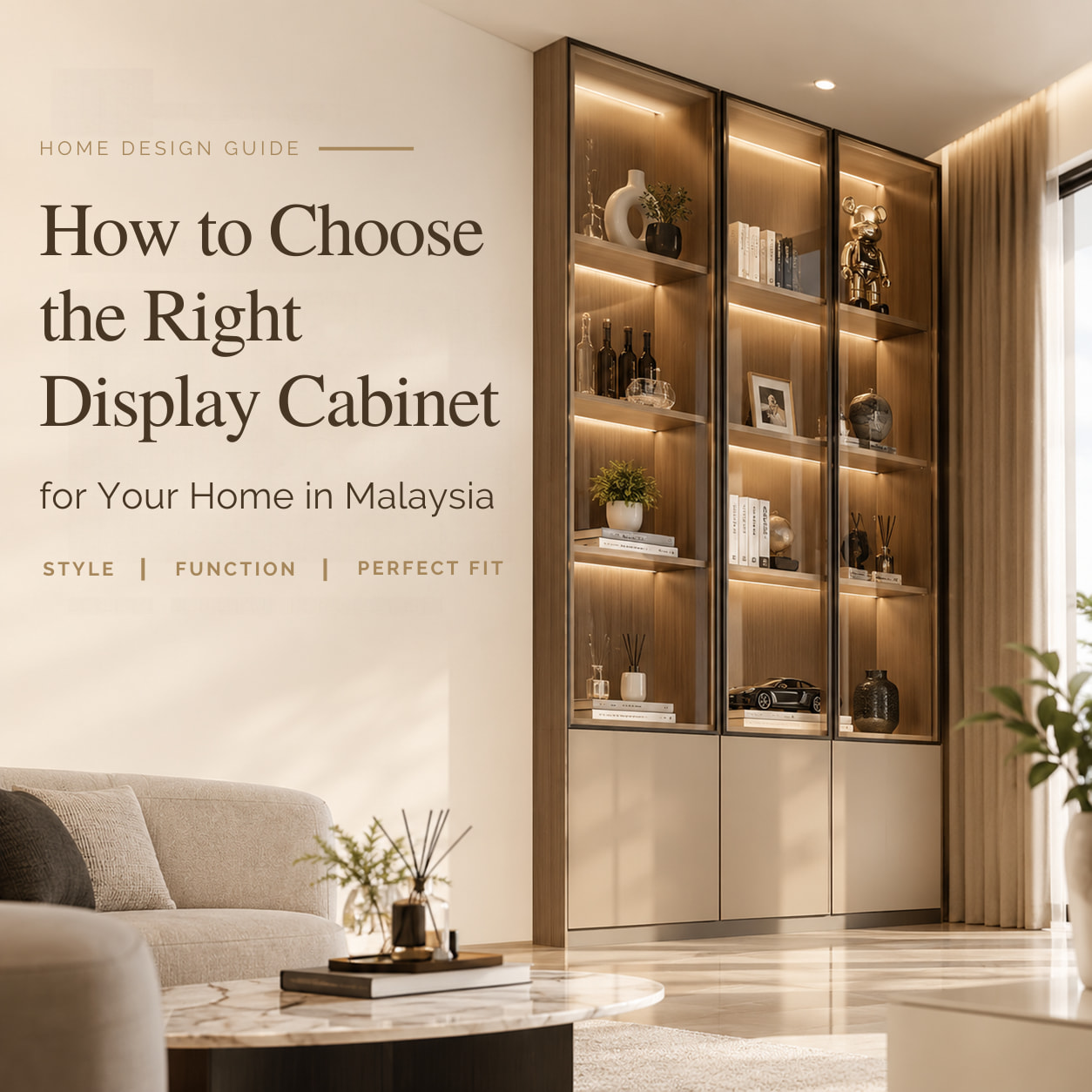
A well-designed display cabinet can do more than showcase your favourite items. It can add character to your home, create additional storage, and help keep your living space organised without compromising on style.
Whether you live in a condominium, apartment, or landed property in Puchong, Selangor, or elsewhere in Malaysia, choosing the right display cabinet involves more than selecting a colour or design. You also need to consider its location, size, storage capacity, materials, lighting, and how it fits into your existing interior.
At Ji Build, we believe a good display cabinet should balance appearance with everyday functionality. The right design should complement your home while providing practical space for the items you want to display and store.
Decide What You Want to Display First
Before deciding on the cabinet design, think about what you want to put inside it. Your collection and daily habits will influence the cabinet's height, shelf spacing, depth, door style, and lighting requirements.
For example, a cabinet for decorative ornaments may need several open or glass shelves, while a display unit for collectibles may require adjustable shelves and integrated lighting. If you want to display dinnerware, glassware, books, or family keepsakes, the internal layout should be planned around the size and quantity of those items.
Consider leaving some open space between displayed objects rather than filling every shelf. A more balanced arrangement can make the cabinet look cleaner and help individual items stand out.
Choose the Right Location for Your Display Cabinet
The best location depends on your home's layout and the purpose of the cabinet. A display cabinet can become a focal point in the living room, provide convenient storage in the dining area, or make use of an otherwise underutilised wall.
- Living room: Showcase decorative pieces, collectibles, books, or personal items while complementing the surrounding furniture.
- Dining area: Keep dinnerware, glassware, and selected serving items organised and accessible.
- Entrance: Create a welcoming feature with carefully selected decorative items, provided the cabinet does not obstruct the walkway.
- Study or home office: Display books, awards, models, and personal collections while keeping frequently used items within reach.
Before finalising the position, check the available wall space, nearby doors, walking paths, switches, sockets, and natural light. The cabinet should fit naturally into the room rather than make the space feel crowded.
Open Shelves vs Glass-Door Display Cabinets
One of the most important design decisions is whether to choose open shelving or a display cabinet with doors. Each option offers a different balance between accessibility, appearance, and maintenance.
Open display shelves create a light and accessible look. They work well for decorative objects that you use or rearrange regularly, but the items are more exposed to dust and may require frequent cleaning.
Glass-door display cabinets provide a more enclosed display area while allowing the contents to remain visible. They can be useful for collections, glassware, ornaments, and other items you want to protect from everyday contact.
You can also combine closed storage with open or glass-fronted sections. This gives you a place to showcase selected items while keeping less attractive everyday belongings hidden behind solid doors.
Get the Height, Width and Depth Right
A display cabinet should be proportionate to the room and the wall where it will be installed. A cabinet that is too large can overwhelm a small living room, while a unit that is too small may look disconnected from the surrounding furniture.
Measure the available wall width, ceiling height, and surrounding furniture before deciding on the dimensions. Also consider how much clearance is needed for nearby doors, drawers, walkways, and other furniture.
The cabinet depth should suit the items you intend to display. Decorative ornaments and collectibles may need less depth than larger objects or dinnerware. Avoid making the cabinet deeper than necessary if it would reduce the usable space in the room.
For custom display cabinets, the dimensions can be planned around the actual room and intended use. This is particularly useful when the cabinet needs to fit between walls, around existing features, or alongside other built-in furniture.
Combine Display Space With Practical Storage
A display cabinet does not have to be purely decorative. Combining display shelves with concealed compartments can help you make better use of the available space.
For example, the upper section can showcase ornaments, photographs, or collectibles, while the lower cabinets provide space for spare household items, documents, tableware, or other belongings you prefer to keep out of sight.
Think about the internal arrangement before production begins. Adjustable shelves can offer flexibility when your collection changes, while fixed shelves may suit a layout with consistent item sizes.
If you need a combination of display and storage, discuss the items you plan to keep in the cabinet with your designer. This helps ensure that the final configuration is practical instead of simply looking good in a design image.
Use Lighting to Highlight Your Display
Lighting can make a significant difference to the appearance of a display cabinet. Integrated LED lighting can highlight decorative objects, create visual depth, and make the cabinet more noticeable in the evening.
Depending on the design, lighting may be positioned along the sides, beneath shelves, or within selected compartments. Warm lighting can create a cosy atmosphere, while neutral lighting may suit a cleaner, more contemporary interior.
Glass shelves and reflective surfaces can also influence how the light appears. Consider potential glare, reflections, visible wiring, and access for maintenance before deciding on the final arrangement.
If you plan to install integrated lighting, discuss the electrical points, cable routing, switches, and maintenance access during the design stage rather than adding them after the cabinet is installed.
Choose Materials and Finishes That Match Your Home
The materials and finishes of your display cabinet affect its overall appearance and how well it fits into your interior design. Popular design directions include wood-grain finishes, matte neutral colours, contrasting panels, glass doors, and combinations of different textures.
When choosing a finish, consider the colours of your flooring, walls, sofa, dining furniture, and other built-in cabinets. A coordinated palette can help the display unit look like a natural part of the home.
You should also consider how the cabinet will be used. Frequently handled surfaces may benefit from finishes that are easy to clean, while glass panels require suitable cleaning and careful handling. The appropriate board, surface finish, hardware, and construction details depend on the intended application.
Rather than selecting a material based on appearance alone, ask your cabinet designer about the available options, maintenance requirements, and suitability for your specific design.
Full-Height vs Half-Height Display Cabinets
Full-height display cabinets can make use of vertical wall space and provide a more prominent feature. They are suitable when you have a collection to showcase or want the cabinet to form part of a larger built-in design.
Half-height cabinets can create a lighter appearance and may be more suitable for smaller rooms or spaces where you want to keep the wall visually open. Their top surface can also provide an additional area for selected decorative items.
The right choice depends on the ceiling height, room proportions, storage requirements, and overall interior style. If you choose a taller cabinet, make sure the upper shelves can be accessed safely and that the cabinet is installed with appropriate support.
When Should You Choose a Custom Display Cabinet?
Ready-made cabinets may work well when standard dimensions and designs suit your space. However, a custom display cabinet can be worth considering when you need specific dimensions, a particular shelf arrangement, integrated lighting, or a finish that matches other built-in furniture.
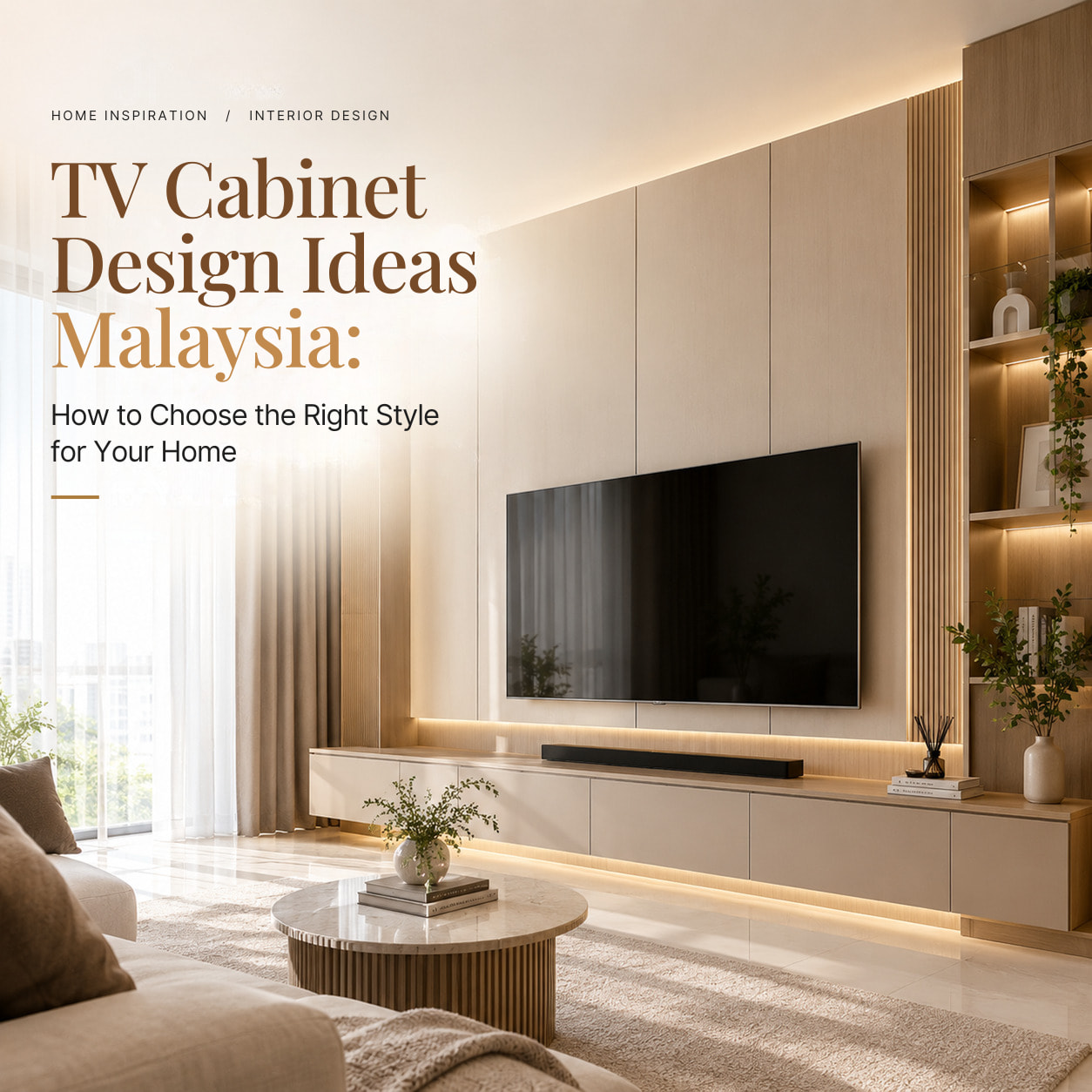
Custom cabinetry can also help make use of awkward wall spaces or connect a display unit with an existing TV cabinet, storage cabinet, or feature wall.
Before confirming a design, review the proposed dimensions, materials, door style, shelf spacing, lighting requirements, and storage configuration. A clear design plan helps ensure the finished cabinet meets your practical needs as well as your preferred appearance.
What Affects the Cost of a Display Cabinet?
The cost of a display cabinet varies according to its dimensions, materials, construction, hardware, and design complexity. A simple open-shelf unit will generally involve different requirements from a full-height cabinet with glass doors, concealed storage, and integrated lighting.
Other factors may include the type of glass, number of doors, internal shelf configuration, special finishes, lighting components, and installation conditions.
When comparing quotations, check whether the same specifications are included. Review the cabinet dimensions, materials, hardware, lighting, finishing, and installation details instead of comparing prices alone.
Providing your approximate dimensions, preferred design, and intended use can help a cabinet designer understand your requirements and prepare a more relevant quotation.
Display Cabinet Design Mistakes to Avoid
A display cabinet should look good while remaining easy to use. Before finalising the design, pay attention to these common issues:
- Choosing the wrong size: A cabinet that is too large may crowd the room, while one that is too small may not provide enough display or storage space.
- Ignoring shelf spacing: Shelves that do not fit your items can waste space or make objects difficult to arrange.
- Adding too many decorative details: Excessive colours, patterns, and objects can make the cabinet look cluttered.
- Forgetting lighting access: Plan cable routing, switches, and maintenance access before the cabinet is built.
- Overlooking daily maintenance: Consider dust, fingerprints, glass cleaning, and access to frequently used items.
Frequently Asked Questions
1. What is the best location for a display cabinet?
Common locations include the living room, dining area, entrance, and home office. The best position depends on the items you want to display, available wall space, room layout, and how the cabinet will be used.
2. Are glass-door display cabinets better than open shelves?
Glass-door cabinets help enclose displayed items while keeping them visible. Open shelves provide easy access and a more open appearance but require more frequent dusting. The right choice depends on your collection, maintenance preferences, and interior style.
3. Can I add LED lighting to a custom display cabinet?
Yes. Integrated LED lighting can be planned around shelves or selected compartments. Wiring, switches, cable routing, and maintenance access should be considered before production and installation.
4. Can a display cabinet include hidden storage?
Yes. A cabinet can combine open shelves or glass-door sections with closed compartments. This allows you to showcase selected items while keeping everyday belongings organised and out of sight.
5. What affects the price of a custom display cabinet in Malaysia?
Price depends on the cabinet size, materials, glass panels, shelf arrangement, hardware, lighting, finishing, and installation requirements. Comparing quotations with matching specifications makes it easier to understand the differences.
6. Does Ji Build provide custom display cabinets in Selangor?
Ji Build provides custom cabinetry and interior solutions, including display cabinets. Homeowners can discuss their preferred design, storage needs, available space, and project requirements with the team.
Planning a Custom Display Cabinet in Selangor?
Every home has different dimensions, storage needs, and interior preferences. Whether you want a glass-door display cabinet, integrated shelving, concealed storage, or a full-height built-in unit, Ji Build can help you explore a design tailored to your space and lifestyle.
Explore our custom cabinetry projects and contact our team to discuss your display cabinet requirements.
Looking for more home inspiration? Explore Ji Build for custom display cabinets, built-in storage solutions, and residential cabinetry projects across Puchong and Selangor.